

Bishop Leroy Guillory, Ombudsman General Speaks Out' Compton's Financial Mismanagement and Potential State Receivership
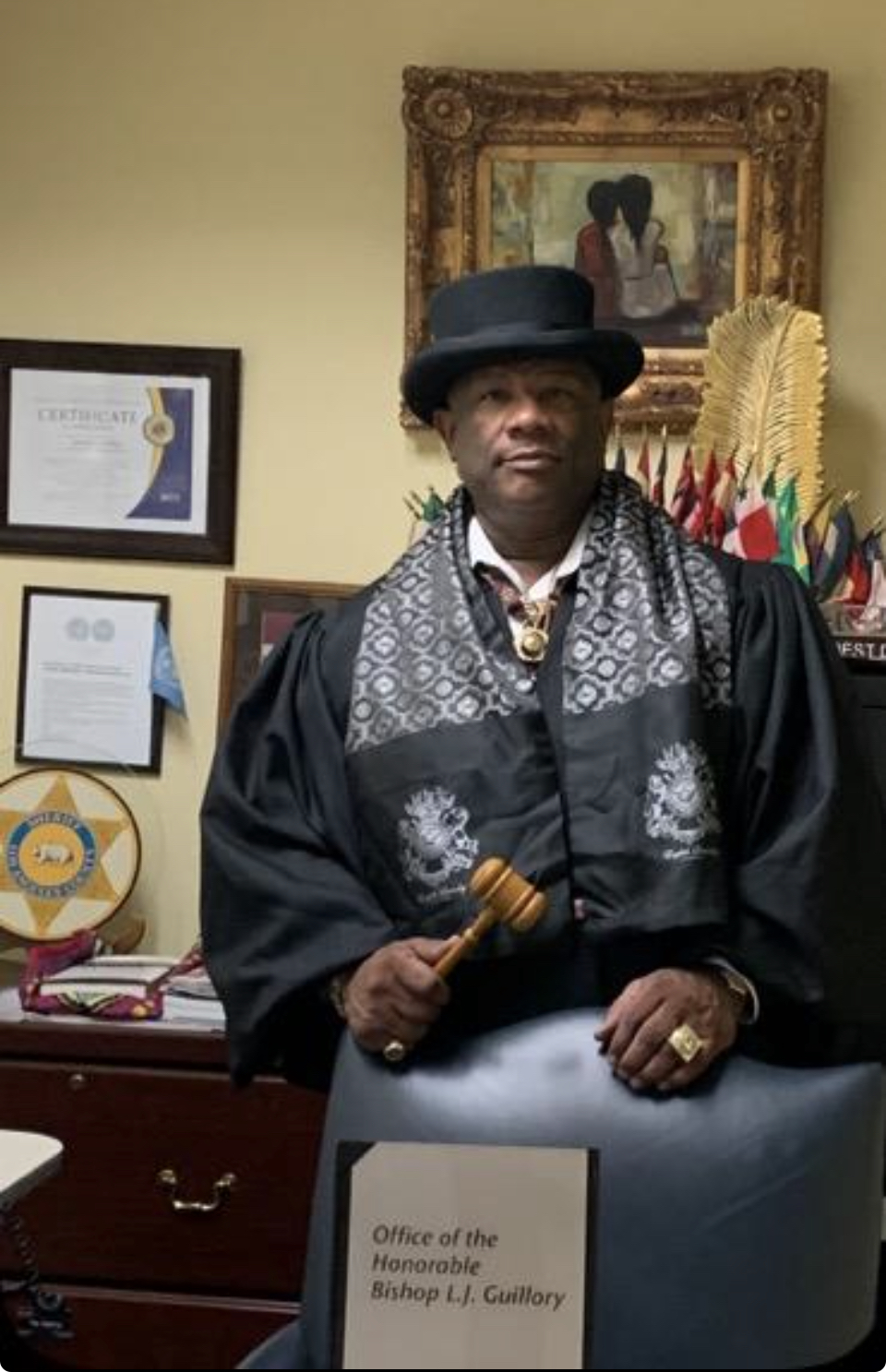
Bishop Leroy Guillory, Ombudsman General Speaks Out To Property Owners About The State of The City of Compton.
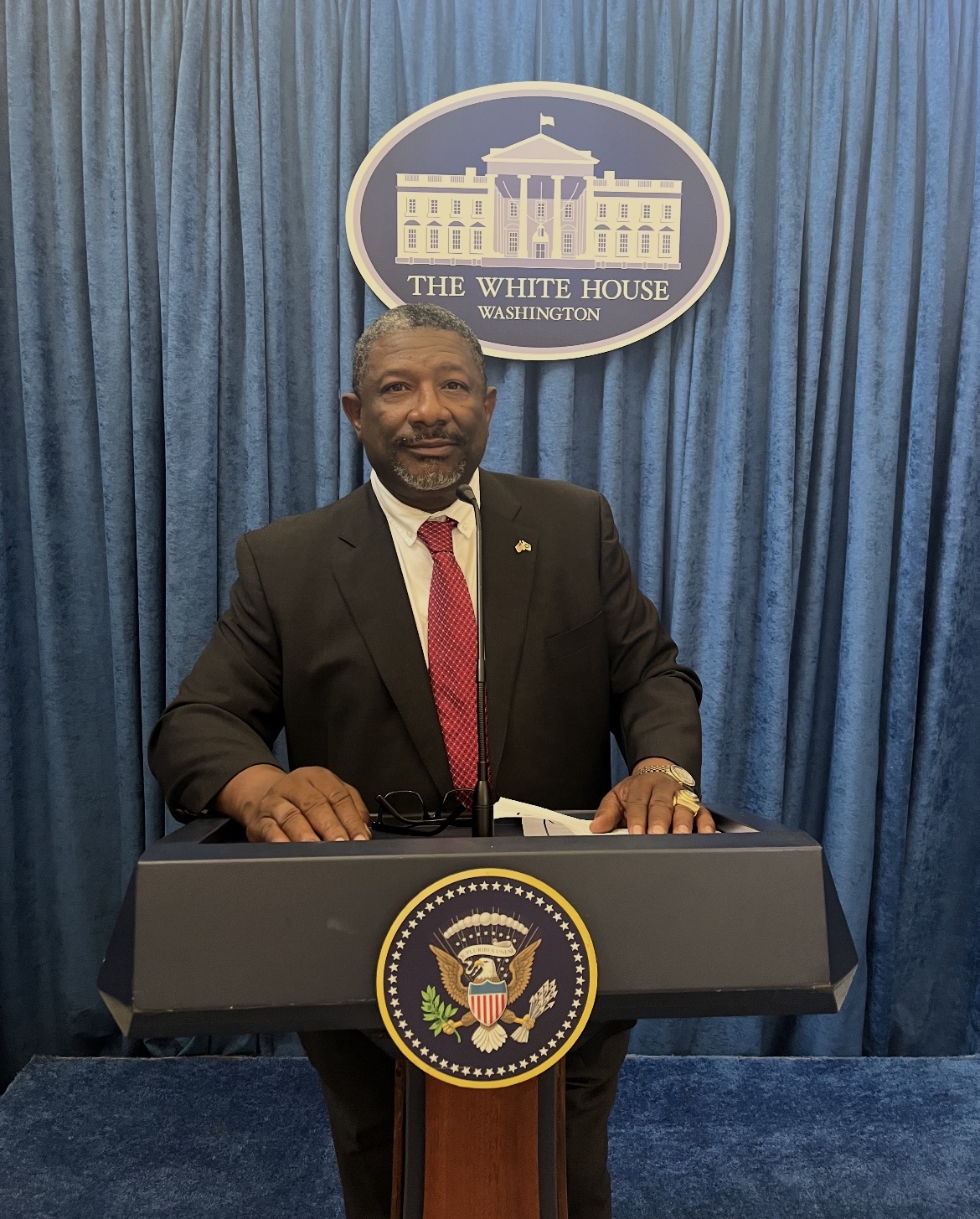
Bishop Leroy Guillory, is a current Candidate for Mayor of Compton in the upcoming election June 02, 2026
Bishop Leroy Guillory, Ombudsman General Speaks Out' COMPTON has had 10 City Managers in 11 years. Willie Hopkins City Manager was appointed in 2024
For years, Compton has struggled with financial mismanagement, resulting in a significant budget deficit and a lack of essential services for its residents. The city has had 10 city managers in the past 11 years, causing instability and hindering progress towards addressing these issues. However, Bishop Guillory believes that the recent appointment of a new City Manager in 2024 may be a step in the right direction.
In his statement, Bishop Guillory emphasized the importance of addressing the long-standing structural issues in Compton's financial management. He stated, "The property owners of Compton deserve to know the truth about the city's financial state and the potential consequences of its mismanagement. It is our responsibility as community leaders to hold our elected officials accountable and demand transparency in their actions."
Bishop Guillory also expressed his concerns about the city's potential for state receivership if the financial issues are not addressed promptly. State receivership would mean that the state government would take control of the city's finances, potentially leading to higher taxes and reduced services for residents. Bishop Guillory urged the city's leaders to work together to find a solution and prevent this outcome.
As a respected figure in the community, Bishop Guillory's statement has sparked discussions and raised awareness about the critical issues facing the city of Compton. He hopes that his words will encourage the city's leaders to take immediate action and work towards a better future for Compton and its residents.
In conclusion, Bishop Leroy Guillory's statement serves as a wake-up call for the city of Compton to address its long-standing financial mismanagement and prevent the potential consequences of state receivership. The community looks to its leaders to take responsibility and work towards a brighter future for Compton.
The city has struggled with high turnover in critical roles, having had six city managers in six years. A new City Manager was appointed in 2024 to address these long-standing structural issues.
The city of Compton (Compton) has struggled for several years to adequately perform many core functions of city government. Compton's past overspending and questionable budgeting have contributed to a debilitating, persistent deficit in its general fund. The city has also failed to produce timely and complete audited financial statements for more than a decade, and it did not issue financial statements at all for several of those years. As a result, since October 2019, we have ranked Compton on our local high-risk dashboard as the most financially at-risk city in California. In the midst of this financial instability, the State Controller's Office reported in 2018 that the city's controls over its finances were virtually nonexistent. In fact, Compton's lack of controls allowed a former deputy treasurer to embezzle $3.7 million from 2010 through 2016. Compton has received hundreds of audit findings from several previous reviews but has yet to resolve many of those issues. For all of these reasons, Compton continues to be at high risk of fraud, waste, and abuse.
Financial mismanagement has played a significant role in Compton's inability to maintain its infrastructure and perform other key functions. After depleting its general fund reserve balance in fiscal year 2008–09, Compton supported its general fund by borrowing heavily from other funds, such as its water and sewer funds—nearly $29 million of which the general fund has yet to repay. This borrowing has limited the resources available for needed infrastructure projects. Moreover, the city's problematic budgeting practices have allowed millions of dollars in certain funds to sit idle while Compton's infrastructure deteriorates. For example, because it has not appropriately monitored its unspent revenue, Compton has accumulated balances of about $41 million in unspent financial resources, some of which could have been used for street repairs and water system improvements. Compton also has not regularly assessed its charges for city services to ensure that they cover the costs of providing those services, thereby potentially forgoing much-needed revenue. Further, the city's inadequate purchasing and contracting practices have increased the risk of unauthorized or inappropriate spending.
Because our audit and previous reviews of Compton have determined that the city's many deficiencies point toward deep structural problems, we have prioritized our recommendations in an effort to ensure that the city addresses core issues first. For example, we believe that prioritizing an open and competitive hiring process, overhauling and fully staffing the city's human resources department, and developing plans for fiscal sustainability and needed infrastructure projects are initial priorities that will significantly improve Compton's operations and financial stability. Our recommendations present a roadmap for the city to achieve stability and ensure that it can provide essential services to its residents. However, if in the next three years Compton still cannot adequately address its long‑standing challenges, we believe it may be necessary for the Legislature to consider implementing ongoing external oversight of the city's finances and operations.
Recommendations
The following are the recommendations we made as a result of our audit. Descriptions of the findings and conclusions that led to these recommendations can be found in the sections of this report. Given the magnitude and quantity of risks facing Compton, we have presented our recommendations for the city by priority level to help it address the issues of greatest concern first.
State of California Legislature
Based on deficiencies with city council oversight that we discuss in this report as well as in several previous audits of other cities, to improve the governance of cities throughout California, the Legislature should consider requiring all individuals who serve on a city council to participate in recurring training related to municipal finance, budgeting, and the council's role in overseeing city operations.
City of Compton
Priority 1 Recommendations
To ensure that Compton has consistent, qualified management and fundamental plans in place to address the challenges it is currently facing, its city council should prioritize taking the following actions:
By April 2023, propose city charter amendments to be voted on in the next statewide general election—and amend all related guidelines, such as the personnel rules and regulations, to the extent permissible under the existing charter—to prioritize an open, competitive hiring process for all positions. The city council's proposed charter amendments should also explicitly require that Compton use an open, competitive hiring process whenever it makes permanent appointments for key leadership positions that include but are not limited to the following: city manager, city controller, human resources director, and budget officer. As part of this process, the city council should develop detailed job qualifications for the city manager position.
By April 2023, formalize the key responsibilities of the human resources department and its director by amending the municipal code or personnel rules and regulations or by proposing charter amendments, and ensure that the department begins making efforts to meet these responsibilities. The responsibilities should include at a minimum the following tasks in the area of recruiting and hiring:
Perform a salary survey for all positions that compares the city's compensation to that of other cities or employers and update it at least once every three years to ensure that the city is positioned to provide competitive pay. Upon completion of the initial survey, the human resources director should work with the city manager to develop a process for using the survey results to increase compensation where feasible, such as by prioritizing increases for the positions that have the lowest salaries compared to the survey results.
Develop a process for maintaining and proactively reviewing job specifications for all positions to ensure that they are reasonably up to date.
Document and implement a plan for recruiting, including the websites on which the city will advertise its open positions, to ensure that it attracts qualified applicants for each recruitment.
Take ownership of key aspects of the recruiting and hiring process, such as managing labor negotiations and setting and meeting clear goals for filling positions in a timely manner.
Formally assess each recruitment effort to determine how the recruiting and hiring process could be improved.
Develop and maintain a succession plan for key positions.
Document specific procedures for accomplishing the above objectives, such as by updating the recruitment and examination manual, and disseminate the procedures to appropriate staff.
In addition, the city council should require that the city manager submit a report to the council at least annually that describes the human resources department's status in meeting these objectives and minimizing ongoing staff vacancies.
By July 2023, direct the city manager to make efforts to fully staff the human resources department and the city controller's office with qualified individuals to ensure that these departments can address Compton's broader, chronic issues related to staffing and finances. The level of staffing in the departments should be sufficient for the successful performance of key tasks, including those listed in our recommendations.
To ensure accountability for Compton's fiscal recovery process, the city should develop and the city council should approve a fiscal sustainability plan by July 2023 that contains specific measures for increasing revenues, decreasing expenditures, and eliminating fund deficits. This plan should identify the individuals responsible for implementing these measures and those responsible for monitoring the city's progress in implementing each action, should include estimated dates of completion, and should describe the estimated fiscal impact of each measure. City management should also inform the city council every quarter of its progress in implementing the plan.
By July 2023, the city should develop and the city council should approve an updated capital improvement plan. The city should then immediately begin implementing its updated capital improvement plan for needed infrastructure projects. The plan should set priorities for all projects, with an emphasis on those related to repairing and updating its streets, water system, and sewer system. The plan should include estimated costs and associated funding sources for each project and should take into consideration all prior unspent revenue and existing fund balances, such as Measure P and water fund resources. Compton should update its capital improvement plan at least once every three years.
Priority 2 Recommendations
After Compton has taken action to address its risk areas of greatest concern, it should do the following:
By July 2023, city management should complete and the city council should approve an updated cost allocation plan. The council should also ensure that the fiscal year 2023–24 budget and subsequent budgets incorporate the results of this plan. For example, the budgets should include transfer amounts from the water fund to the general fund that accurately reflect the amounts the water fund owes for citywide services.
By October 2023, the city council should adopt budgeting policies that follow Government Finance Officers Association (GFOA) best practices. For example, the policies should specify that city staff solicit input from the public about priorities before starting the budget process and that the city has a process for ensuring that the city budget document is clear and comprehensible.
By October 2023, to ensure that its city council has the necessary knowledge and tools to make sound and responsible decisions on behalf of the public, Compton should implement a robust orientation and ongoing training program for council members, including training related to budgeting, finances, and the council's role in overseeing city operations.
Priority 3 Recommendations
After Compton has addressed the above recommendations, it should do the following:
By January 2024, Compton should establish a central purchasing office and hire or formally designate a procurement officer to oversee the city's purchases and contracting, including maintaining all necessary documentation.
By January 2024, Compton should create a comprehensive citywide purchasing manual with updated standards and policies regarding purchasing and contracting.
By April 2024, the city should develop and the city council should approve an updated master sewer study that identifies infrastructure and maintenance needs.
By July 2024, Compton should evaluate and the city council should approve updated charges for all city services in accordance with the substantive and procedural requirements of the state constitution. Compton should review its charges for services at least once every three years following this initial update.
By July 2024, the city council should approve a realistic repayment plan for the amounts that the general fund has borrowed from other funds, with repayments beginning by at least fiscal year 2024–25.
By July 2024, the city council should ensure that the city has issued its audited financial statements for fiscal years 2020–21, 2021–22, and 2022–23. The council should adopt a requirement that, for subsequent years, the city must issue complete audited financial statements by six months after the end of the fiscal year. To ensure that it has the ability to meet this requirement, the city should consider measures such as increasing staff in the city controller's office and training them on their responsibilities for preparing the financial statements.
By July 2024, the city council should ensure that the city develops and begins implementing a plan for reducing Compton's pension and other postemployment benefits (OPEB) costs and liabilities. This plan may include placing retirement funds into a trust and negotiating changes to employees' contributions for pension and OPEB costs.
By December 2024, Compton should resolve all of the audit findings it has received that predate its fiscal year 2020–21 audited financial statements and any findings from subsequent audit reports, including findings related to improving financial controls.
By December 2024, Compton should develop a policy that describes how the city will determine the amount of fire department overtime it budgets each year and perform an analysis that compares the cost of this overtime to the cost of hiring additional firefighters to reduce the need for overtime.
Agency Comments
Compton did not state whether it agreed with our recommendations but indicated that the audit report can help the city identify and target corrective actions to improve the entire organization. We look forward to receiving Compton's corrective action plan by December 2022 to understand the specific actions it has undertaken, or plans to take, to address the conditions that led us to designate it as high risk.
Source: State of California Audit Work Papers.
Jose Rodriguez, Ombudsman Press News
Ombudsman Press News
+1 (202) 728-7000
INFO@BISHOPLJGUILLORY.COM
Compton's Financial Mismanagement and Potential State Receivership
Legal Disclaimer:
EIN Presswire provides this news content "as is" without warranty of any kind. We do not accept any responsibility or liability for the accuracy, content, images, videos, licenses, completeness, legality, or reliability of the information contained in this article. If you have any complaints or copyright issues related to this article, kindly contact the author above.
